Introduction
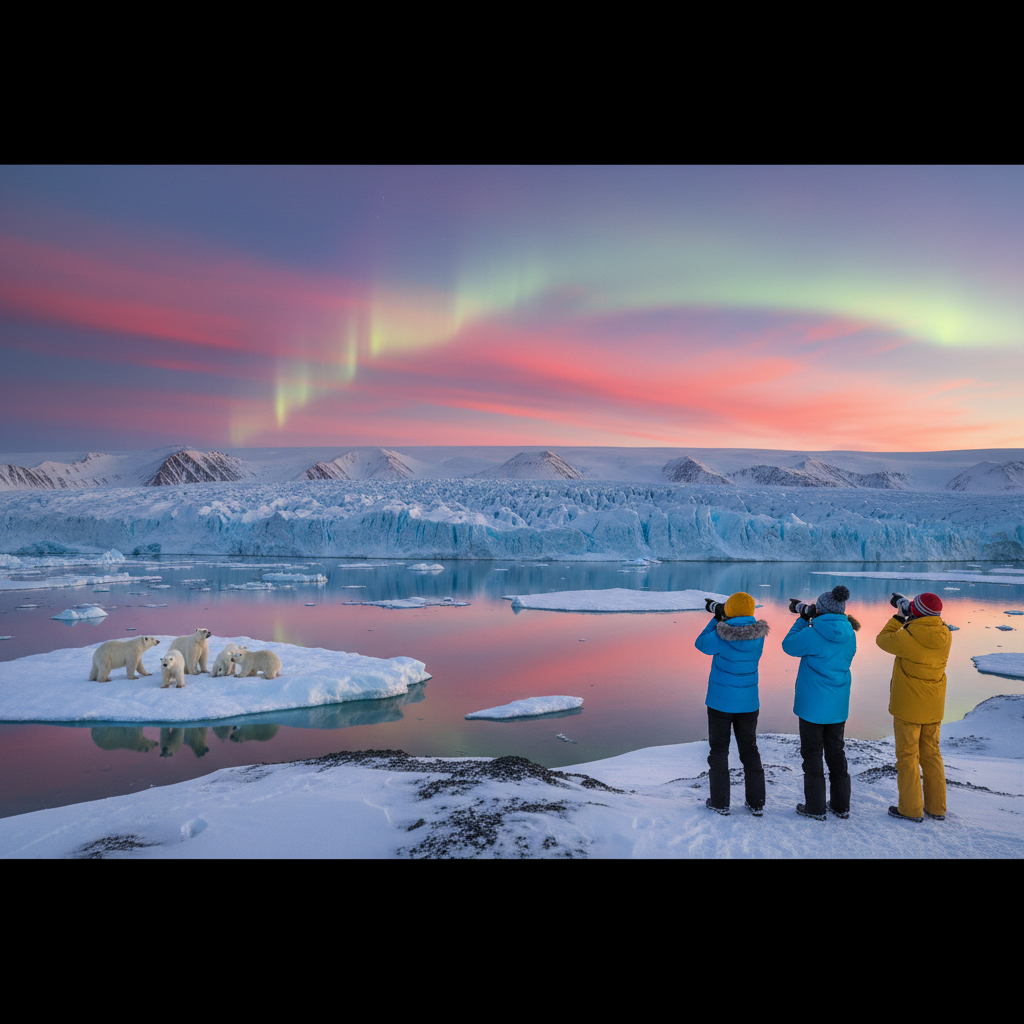
The Canadian Arctic offers a unique landscape that draws adventurers from around the globe. Majestic icebergs, vibrant wildlife, and the legendary Northern Lights can all be found in this remote paradise. From exploring the Inuit culture to experiencing breathtaking natural phenomena, this guide will help you navigate the enchanting Arctic experience.
Best Times to Visit
Understanding the seasons is crucial when planning a trip to the Canadian Arctic. Summer, from late June to early September, brings milder temperatures and 24-hour daylight, perfect for wildlife spotting and exploring the vast wilderness. Winter, on the other hand, from late November to March, is prime time for witnessing the Northern Lights, with long nights and a snow-covered landscape.
This video succinctly illustrates the seasonal changes in the Canadian Arctic and their impact on travel experiences. By watching, you'll gain insights into optimal timing for both summer excursions and winter sports.
It's important to note that weather can be unpredictable, even in summer. Travelers should be prepared for a range of conditions, from sunny skies to unexpected snow flurries. Dressing in layers and having waterproof gear is essential to stay comfortable while exploring the outdoors.
Summer Activities
During the summer months, the Arctic transforms into a vibrant ecosystem. Activities available include:
- Wildlife Viewing: Spotting muskoxen, polar bears, and migratory birds is a highlight.
- Kayaking: Experience the waters of the Arctic fjords amidst stunning scenery.
- Hiking: Trails range from leisurely to challenging, each offering breathtaking views.
Engaging in these activities allows you to experience the culture and heritage of the Inuit people. Guided tours led by local Inuit guides provide a deeper understanding of their traditions and the challenges they face with climate change.
Winter Activities
Winter unveils a different beauty in the Arctic, making it a prime time for:
- Dog Sledding: A traditional way to travel across the snowy landscape.
- Snowmobiling: See remote places at exhilarating speeds.
- Ice Fishing: An opportunity to fish on frozen lakes for species like Arctic char.
Each of these activities presents unique challenges and requires adequate preparation and gear. For instance, layered clothing, thermal boots, and a high-quality winter jacket are necessary to combat the extreme cold.
Safety Considerations
Traveling in the Arctic requires careful preparation. Adverse weather conditions can change quickly, so remaining aware of your surroundings and having a reliable plan of action is crucial.
Moreover, if you'll be stepping into polar bear territory, understanding safety protocols is critical. Local guides are indispensable for ensuring your safety as they understand animal behavior and know the terrain well.
This video outlines essential safety tips for navigating Arctic territories, including understanding wildlife encounters and equipment checks. It’s especially valuable for first-time visitors or those unfamiliar with harsh environments.
Emergency services are limited in remote regions, so having a satellite phone or a reliable communication method can be invaluable. Always inform someone of your travel plans, including expected return times, and travel in groups whenever possible.
Planning Your Itinerary
Creating an itinerary for the Canadian Arctic can seem daunting, but with the right planning, it can be a smooth experience. Depending on your interests, your itinerary might differ significantly.
Suggested Itinerary
- Day 1-2: Arrival in Iqaluit, Nunavut’s capital; explore local culture and history.
- Day 3: Take a guided tour to Baffin Island; enjoy wildlife watching.
- Day 4-5: Fly to Rankin Inlet; explore the community and engage in cultural activities.
- Day 6-7: Experience the tundra landscape; go hiking or take part in a dog sledding adventure.
- Day 8: Depart from Rankin Inlet.
This itinerary provides a balance of cultural immersion and adventure. Ensure your accommodations are booked well in advance, as availability can be limited in these regions.
This Instagram reel showcases highlights of a traveler’s journey through the Canadian Arctic, featuring stunning landscapes and cultural experiences. It can inspire your own planning and help you visualize your journey.
Essential Gear for Arctic Travel
Traveling in the Arctic requires specialized gear to ensure comfort and safety. Here’s a list of essentials to pack:
| Gear Type | Recommended Items |
|---|---|
| Clothing | Thermal layers, waterproof jacket, insulated pants. |
| Footwear | Insulated boots, thick socks, gaiters. |
| Accessories | Gloves, beanie, scarf, sunglasses. |
The right gear not only helps in keeping warm but also enhances the overall travel experience. High-quality thermal clothing allows for extended outdoor activities, even in cold temperatures.
In this video, an experienced traveler shares their packing list for Arctic adventures, covering clothing, gear, and additional essentials. Watching helps you make informed choices about what to take, ensuring preparedness for different conditions.
Final Thoughts
Visiting the Canadian Arctic is a truly unique experience filled with wonder, adventure, and unforgettable landscapes. With proper planning and respect for the environment and local culture, your journey can be both enjoyable and meaningful. Embrace the spirit of adventure and immerse yourself in one of the last frontiers on earth.
Plan Your Next Bucket-List Adventure
Want smarter planning tools, destination insights, and experience-driven guides?
Contact UsExplore more global destination guides, itineraries, and travel strategies:
Visit Our Blog