Introduction: Discovering Angkor Wat and Beyond
The Angkor Complex in Cambodia stands as a testament to the grandeur of the Khmer Empire, known for its stunning temples, intricate carvings, and sprawling landscapes. If you're eager to explore this UNESCO World Heritage Site but are pressed for time, this guide will help you navigate a smart two-day itinerary, allowing you to soak in the highlights while gaining insights into the local culture and history.
Spanning over 162 hectares, Angkor is not only a visual feast but also an environment steeped in spirituality and historical resonance. From iconic Angkor Wat to the composed remnants of Ta Prohm, each temple has its own story. Your two-day journey will be structured to maximize your visit while ensuring you don't miss the most important sites.
Day 1: The Grandest Structures
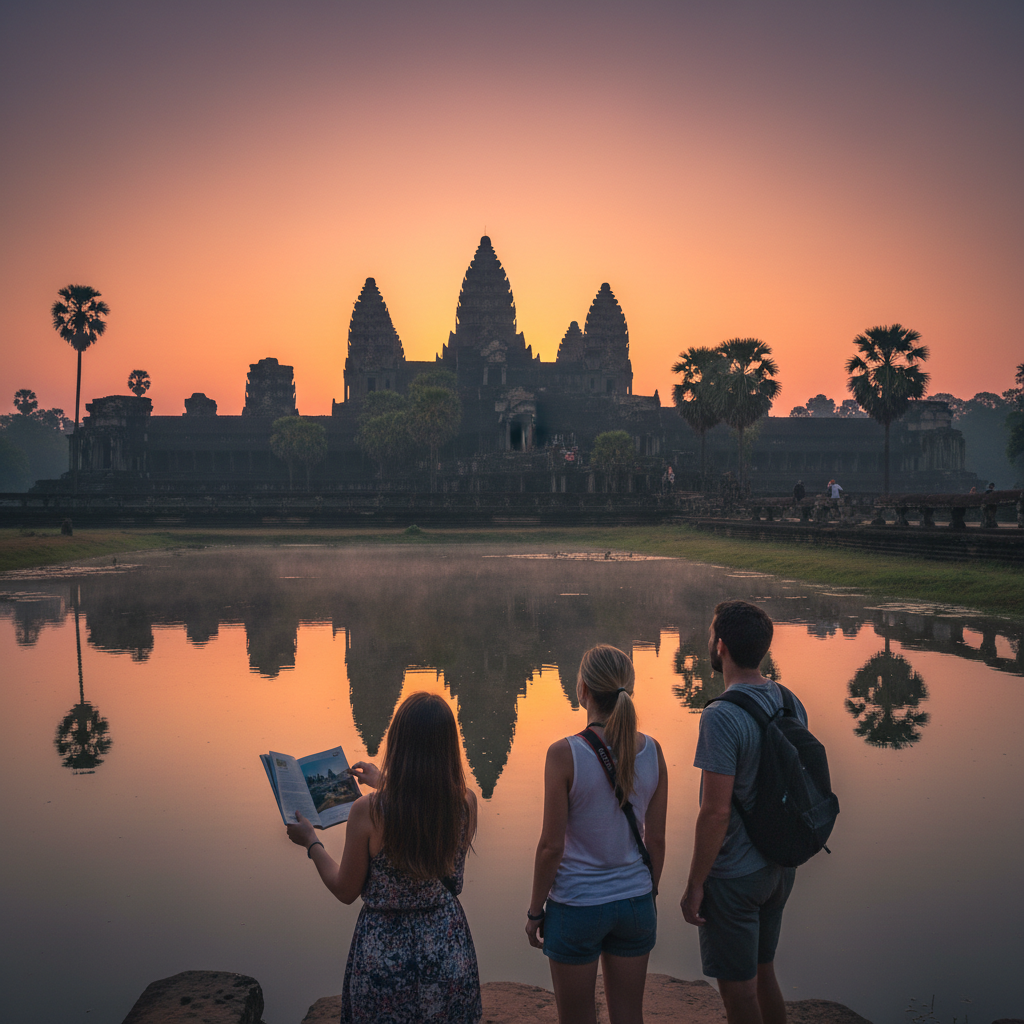
Start your adventure at the awe-inspiring Angkor Wat, the largest religious monument in the world. Arriving early not only allows you to escape the midday heat but also gives you the chance to watch the sunrise over the temple—a breathtaking spectacle that sets the tone for your day.
This video captures the essence of watching the sun rise over Angkor Wat, a truly magical moment. It highlights not just the beauty of Angkor Wat, but also the atmosphere created by fellow early risers who share this serene experience. If you're planning a visit, this clip demonstrates the perfect angle for photography and the best spots to settle for that ideal sunrise shot.
After basking in the morning light, take your time wandering through the intricate corridors and marveling at the thousands of bas-reliefs depicting Hindu mythology. The meticulous details are not only beautiful but tell stories that span centuries of cultural heritage.
Post-exploration, head toward the nearby Bayon Temple in Angkor Thom, renowned for its 216 stone faces of Avalokiteshvara. The labyrinth of temples offers a blend of serenity and mystery that sets Bayon apart from its neighbors.
This Instagram reel showcases the stunning faces of Bayon Temple and offers a glimpse of the temple's unique atmosphere. The enchanting expressions carved into stone serve as a reminder of the craftsmanship that went into Angkor's construction. This reel can inspire your itinerary as you prioritize not just what to see, but also how to appreciate the stories behind each stone.
Day 1 Continued: Stepping into the Past
After visiting Bayon, make your way to Ta Prohm, famously known as the ‘Tomb Raider’ temple. Famous for its massive trees intertwined with ruins, Ta Prohm provides a different flavor compared to the more polished Angkor Wat. It's a beautiful fusion of nature and architecture that invites exploration.
When planning your route to Ta Prohm, remember that the earlier you arrive, the lesser the crowds. Visiting mid-afternoon not only exposes you to extensive foot traffic but can hinder that mythical experience—immersing yourself in a tranquil enclave surrounded by magnificent ancient trees.
Post you finish at Ta Prohm, consider spending your evening at a local market. The Angkor Night Market is full of vibrant local delicacies and arts and crafts, perfect for immersing yourself in the local culture. Enjoy delicious street food and perhaps pick up a handmade souvenir to commemorate your trip.
Day 2: Cultural Resonance and Local Insights
Start your second day with a visit to Banteay Srei, known for its intricate pink sandstone carvings. This site is located about 30 kilometers from Angkor Wat, which means an early start will be helpful. The lively activity in the surrounding gardens further illuminates the historical importance of this area.
Once you arrive, make sure to give yourself ample time to explore the entire temple grounds. The detailed carvings and vibrant colors are breathtaking and often missed in a whirlwind tour. Learning the historical context adds depth to your visit, making it much more than just a visual experience.
This YouTube video provides insights into Banteay Srei's historical significance and architectural details. Watching it before your visit can enhance your appreciation of this temple's uniqueness. It's a great preparation tool that can guide you through specific focal points while you're there.
Day 2 Continued: Local Culture and Stories
On your way back from Banteay Srei, consider stopping by one of the local villages to experience the daily life of the Khmer people. Many villages around Siem Reap offer cultural tours where you can engage with local artisans and learn about handicrafts, rice farming, and traditional cooking.
These encounters present not only excellent photo opportunities but also insights into the country's vibrant culture. Visiting local markets and interacting with villagers can enrich your understanding of Cambodia beyond its historical sites.
This Instagram reel gives a quick look at daily village life in Cambodia, promoting responsible tourism while supporting local economies. Engaging with cultural tours ensures you contribute positively to the communities you visit, deepening your bucket-list experience.
Essential Tips for Your Angkor Adventure
- Timing: Aim to visit popular temples early in the morning or late in the afternoon to avoid crowds and the heat.
- Dress Appropriately: Most temples require modest dress—cover shoulders and knees as a sign of respect.
- Water: Bring plenty of water to stay hydrated throughout your explorations—it's crucial in the Cambodian heat.
- Guidebooks: Consider hiring a guide or using a reliable guidebook to learn more about the temples' intricate histories.
- Camera Ready: Always keep your camera ready to capture spontaneous moments—Angkor is filled with picturesque settings.
Plan Your Next Bucket-List Adventure
Want smarter planning tools, destination insights, and experience-driven guides?
Contact UsExplore more global destination guides, itineraries, and travel strategies:
Visit Our Blog