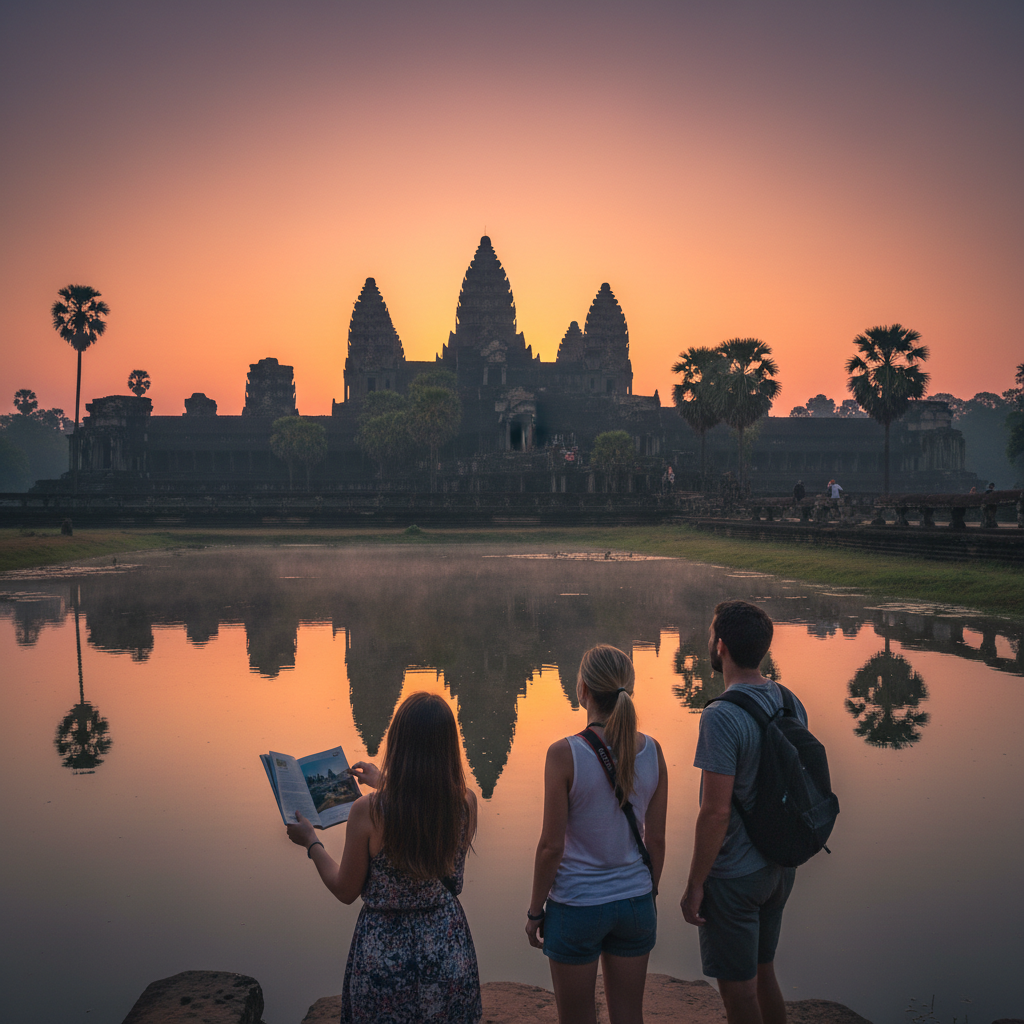

Introduction to All-Weather Jackets
Choosing the right all-weather jacket is essential for any traveler seeking to explore diverse climates. Understanding how materials and features perform in various conditions can drastically improve your comfort during trips. This guide provides insights into selecting jackets that can endure rainstorms in Patagonia, snow in the Alps, and humid conditions in Southeast Asia.
Focus on Insulation
The first aspect to consider when selecting an all-weather jacket is insulation. There are generally two types of insulation: down and synthetic. Down insulation, often preferred for its warmth-to-weight ratio, provides exceptional warmth but becomes ineffective when wet. For wet conditions, synthetic insulation can maintain warmth even when damp, making it a better choice for regions expecting heavy rain or snow.
This video explains the pros and cons of down versus synthetic insulation, providing visual demonstrations. Travelers can learn about how each type behaves in real-world situations, which can help in making an informed choice based on anticipated weather conditions for their trip.
Additionally, consider jackets with adjustable insulation. Some options come with removable liners, allowing you to customize warmth levels depending on climate. This is particularly useful for multi-destination trips where climates may vary significantly.
Features of Insulation
- Weight: Lightweight options reduce packing bulk.
- Compressibility: Jackets that pack down small are ideal for travel.
- Durability: Look for materials that withstand wear over time.
Shell Materials: The First Line of Defense
The shell of your all-weather jacket is critical for protecting you from elements. A waterproof, windproof shell keeps you dry while preventing wind chill. Look for fabrics like Gore-Tex or similar technologies that ensure breathability and moisture-wicking properties.
Remember to check for sealed seams and durable water repellant (DWR) coatings, which add layers of protection against moisture. When hiking in moist environments, these features can significantly enhance your experience, keeping you dry and comfortable.
This video dives deeper into various shell materials available for jackets, which travelers can evaluate based on their trip's specific requirements. Understanding these materials can help shape an effective packing strategy, ensuring that your jacket performs as expected in various weather scenarios.
Types of Shell Fabrics
- Hardshell: Thick, durable, and ideal for harsh weather.
- Softshell: More flexible, suitable for mild conditions.
- Hybrid: Combines benefits of both hardshell and softshell fabrics.
Layering System: The Key to Versatility
A successful layering system is essential for adapting to weather changes. This involves wearing multiple layers to manage warmth and moisture effectively. The layering components typically include a base layer, insulation layer, and outer shell. Understanding this concept allows travelers to customize their comfort based on their activity level and environmental conditions.
Base Layers
The base layer is responsible for moisture management and should be made from materials that wick sweat away from your skin. Fabrics like merino wool or synthetic blends are excellent choices. Opt for lighter weights for warmer climates and heavier options for colder conditions.
This video highlights the best materials for base layers, including demonstrations on how they perform in humid or cold environments. These insights can enhance a traveler's ability to wisely select their intricacies in attire, optimizing comfort during various activities.
Insulation Layer
Your insulation layer acts as the central layer within your outfit. Options may vary from light fleece jackets to thicker down-filled options based on expected temperatures and activities. This layer should be easily packable for convenience.
Outer Shell
The outer shell should be designed for waterproofness and wind resistance. Given its critical role in protecting all other layers, it’s important to invest in one that’s both durable and reliable.
Fit and Comfort
When purchasing an all-weather jacket, fit and comfort are essential. Look for jackets with adjustable hoods, cuffs, and hems for better protection and versatility. When trying on a jacket, it’s advisable to wear the layers you plan on using to ensure everything fits well together without feeling restrictive.
Functionality is also key; pockets should be accessible even when wearing a backpack, and the jacket should not obstruct movement during activities such as hiking or climbing.
This Instagram reel showcases different fit styles of jackets in action, giving you a better idea of how movement is affected by design choices. Travelers can learn how to prioritize comfort in their purchase decisions, making it easier to select the right jacket for their personal activity preference.
Caring for Your All-Weather Jacket
To ensure longevity, proper care for your jacket is crucial. Follow washing instructions carefully, considering the materials used. Avoid using fabric softeners and opt for special detergents designed for technical fabrics. Regular maintenance will keep your jacket performing optimally.
Storage Tips
When not in use, store your jacket in a cool, dry place away from direct sunlight. Avoid compressing it for extended periods, as this can damage insulation. Proper storage allows the materials to retain their performance characteristics, ensuring your jacket is ready for your next journey.
This reel illustrates proper washing and storage techniques for all-weather jackets, teaching travelers how to maintain their gear effectively. Understanding how to care for your jacket extends its lifespan and keeps it in top condition for countless adventures.
Conclusion
Investing in the right all-weather jacket is key to enhancing your travel experience. By understanding the various types of insulation, shell materials, and layering techniques, you can select a jacket that not only fits well but also performs in diverse conditions. Always prioritize comfort and functionality as you explore new climates, ensuring you’re ready for whatever Mother Nature throws your way.
Plan Your Next Bucket-List Adventure
Want smarter planning tools, destination insights, and experience-driven guides?
Contact UsExplore more global destination guides, itineraries, and travel strategies:
Visit Our Blog