Planning Your High-Adventure Trip
High-adventure travel can be thrilling and transformative, offering experiences that take you beyond the ordinary. From trekking through Patagonia’s rugged landscapes to diving in the crystalline waters of the Great Barrier Reef, the world is filled with opportunities for adventure. However, these experiences also come with their own unique sets of challenges and risks.
To fully enjoy your high-adventure trip, understanding how to plan effectively while prioritizing safety is essential. This guide will take you through critical steps in the planning process, ensuring you evaluate risks wisely and prepare adequately.
Understanding Your Adventure Type
Before crafting your perfect adventure itinerary, it’s crucial to identify what type of adventure resonates with you. Different adventure categories require varied preparations and considerational factors:
- Trekking: Often involves long tours through diverse terrains like mountains, valleys, and national parks. Consider factors such as elevation, weather conditions, and the physical demands of the trails.
- Diving: Involves underwater excursions that require safety equipment and awareness of local marine conditions. Ensuring you have the appropriate certifications and knowledge of the ecosystem is vital.
- Climbing: Encompasses various styles (rock, ice, mountaineering) that require specialized gear, training, and often guides. Be prepared for changing weather patterns and varying difficulty levels.
Once you’ve determined your primary adventure focus, researching specific locations and activities becomes essential. Understanding what each destination offers and the specific logistics involved can improve your planning process.
This video highlights various categories of high-adventure travel and the exciting opportunities they bring. Understanding these options can help you tailor your adventure to match your personal interests and athletic abilities.
Evaluating Risks
In high-adventure settings, evaluating risks is one of the most crucial components of the planning phase. Here are some key considerations:
- Physical Fitness: Assess your current fitness level relative to the demands of the adventure. Consult with a physician if necessary and consider a training program to prepare your body.
- Travel Insurance: Consider obtaining comprehensive travel insurance that covers adventure activities. Ensure it includes provisions for medical emergencies and evacuation if needed.
- Local Guidance: When exploring remote areas or undertaking challenging activities, involving local guides can enhance safety. They are familiar with the terrain and can provide essential insights.
Risks can vary by location and type of activity. Conduct thorough research to understand specific concerns related to your chosen adventure, including wildlife safety, environmental conditions, and cultural expectations.
This video delves into essential safety tips for adventure travel. It will empower you to make informed decisions as you prepare for your trip.
Seasonal Considerations
Timing your adventure is equally important for ensuring a successful experience. Each region has its optimal seasons that combine favorable weather and activity feasibility.
For example, trekking in the Himalayas is best undertaken during spring or autumn when the weather is milder, while summer months may bring intense heat and monsoon rains.
Similarly, diving conditions vary throughout the year. During specific seasons, certain marine species can be observed, and visibility may greatly improve. Research the best times to visit your desired location based on weather patterns and activity considerations.
This video provides insights into the best times for adventure travel. Understanding when to go can help you align your plans with natural conditions, optimizing your experience.
Logistical Preparations
The logistics of high-adventure trips can vary significantly based on the destination. Here are essential points to consider:
- Transportation: Always plan your transportation in advance, whether it’s by land, air, or sea. Ensure you understand local transit systems or rental options at your destination.
- Accommodation: Choose accommodations that are well-located, secure, and meet your comfort needs. Consider proximity to adventure sites to minimize travel time.
- Permits and Regulations: Certain areas may require permits for activities like trekking or climbing. Research necessary arrangements and compliance with local regulations.
Preparing for these logistics ensures a smoother travel experience, allowing you to focus more on the adventure itself.
This Instagram reel showcases a breathtaking adventure travel destination, providing inspiration for your planning process. Engaging with the community through social media can also enhance your travel research.
Gear Up for Success
Having the right gear can make or break your adventure experience. Here’s a quick list of essentials to consider:
- Footwear: Durable and comfortable shoes designed for hiking, climbing, or diving are essential. Footwear should match your specific activity and terrain.
- Clothing: Layered clothing systems help manage temperature changes and weather conditions. Pack moisture-wicking fabrics and weather-resistant outer layers.
- Safety Equipment: Certain activities may require specialized safety gear, such as harnesses for climbing or snorkeling gear for diving. Make sure you have all necessary equipment that meets standards.
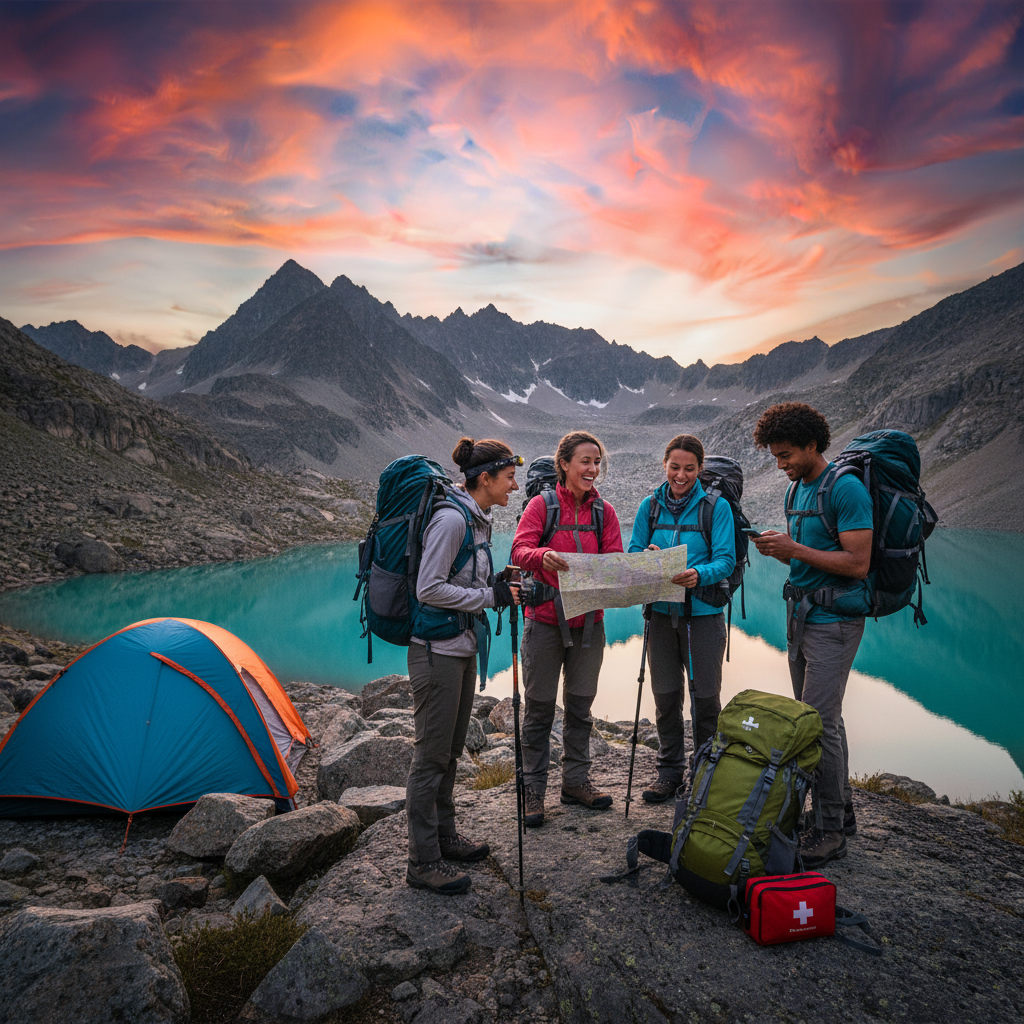
In addition to these basics, consider personal items like sunscreen, first-aid kits, and hydration systems, as they are invaluable in emergencies and tough situations.
Respect Local Culture and Environment
Always approach adventure travel with respect and awareness. Each destination has its own culture and environment. Here are a few guidelines:
- Learn Local Customs: Understand local customs and etiquette to enhance your interactions. This appreciation fosters goodwill and mutual respect.
- Support Local Economies: Purchasing goods or services from local businesses can positively impact the community.
- Leave No Trace: Follow sustainability principles to minimize your environmental impact. Ensure all trash is disposed of properly, and avoid disturbing wildlife.
Traveling responsibly strengthens the connections between you and the destination, making your experience more enriching and meaningful.
This Instagram reel provides insights into responsible travel practices that promote cultural respect and environmental sustainability. Following these guidelines ensures your adventure has a positive impact.
Final Thoughts
Planning a high-adventure trip involves balancing excitement with thorough preparation. By evaluating risks effectively and respecting local cultures, you can maximize your travel experience while ensuring safety and sustainability.
Remember, every adventure is unique. Take the time to research, understand, and appreciate the destinations you venture to, and you’ll be rewarded with unforgettable experiences and lasting memories.
Plan Your Next Bucket-List Adventure
Want smarter planning tools, destination insights, and experience-driven guides?
Contact UsExplore more global destination guides, itineraries, and travel strategies:
Visit Our Blog