
Introduction
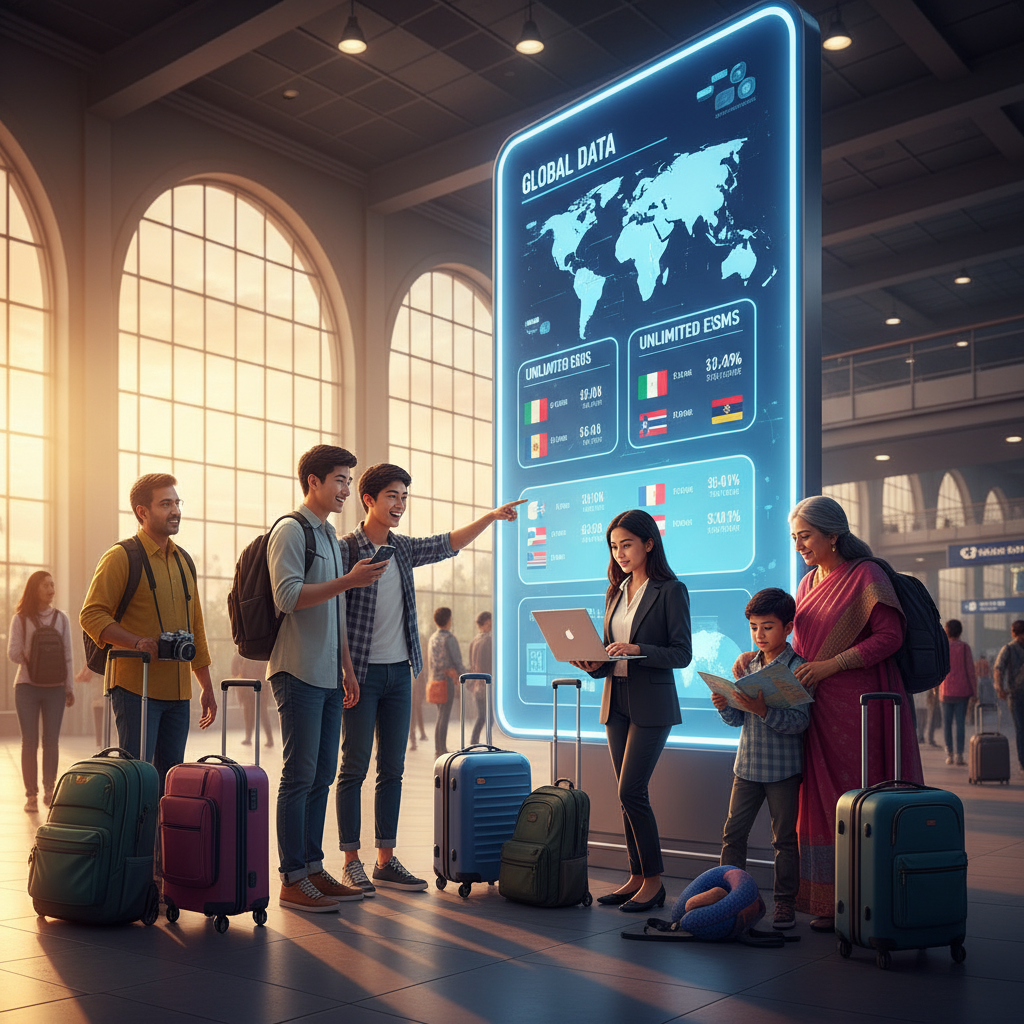
Choosing the right communication plan while traveling can be daunting. With various options like international SIM cards, eSIMs, and roaming, understanding their differences is crucial for a seamless travel experience. Staying connected overseas enriches your journey as it enables navigation, instant communication, and access to local information.
This guide offers a comprehensive breakdown of international SIM and eSIM options, facilitating thoughtful decisions that align with your travel style and connectivity needs. Let's dive into how to choose the best plan for your upcoming adventures.
Understanding SIM and eSIM Options
International SIM cards are physical cards that can be inserted into mobile devices, allowing calls and data use in foreign countries. In contrast, eSIMs are embedded SIM cards that enable connectivity without a physical card swap. Most modern smartphones support eSIM technology, enhancing user convenience.
Many travelers ponder the cost-effectiveness of these options. International SIMs, depending on the provider, often feature competitive data rates and services specific to various countries. eSIMs may offer more flexibility for multiple destinations. Understanding coverage areas and network reliability is vital in selecting either option.
This tutorial on eSIM vs. SIM gives practical examples of their comparisons in real-world scenarios. The video discusses the advantages of going eSIM, especially for travelers visiting multiple countries. It allows you to switch between carriers without the hassle of physically changing cards, streamlining the planning process.
When choosing between SIM types, factors such as destination, coverage, and duration of your stay play significant roles. If you plan to spend extended time in one country, purchasing a local SIM may afford better rates. For shorter stays or multi-destination trips, eSIMs could prove advantageous.
The Pros and Cons of International SIM Cards
International SIM cards have their share of benefits. They are widely available and can offer various packages tailored to different needs.
Benefits of International SIM Cards
- Cost-Effective: Depending on the plan, international SIM cards can be a budget-friendly option, especially for those who require regular data.
- Ease of Use: Simply insert the SIM card, and you are good to go. There's no need to configure settings manually in most cases.
- Specific Plans for Countries: Many providers have tailored packages for specific countries or regions, making it easier to manage expenses.
Limitations of International SIM Cards
- Limited Coverage: Not all SIM cards provide broad coverage, which can lead to connectivity issues in rural areas.
- Activation Challenges: Some cards require activation, which can occasionally be cumbersome, especially in low-service areas.
- Dual SIM Capability: Depending on your device, using a local SIM alongside your home SIM may not be available.
The Advantages of eSIMs
eSIM technology brings numerous perks, especially in the context of modern travel demands.
- Convenience: eSIMs enable quick switching to different carriers without needing to physically swap cards.
- Multiple Profiles: Many devices allow storing various eSIM profiles, meaning travelers can manage plans directly from their devices.
- Additional Security: Fewer chances of loss or theft associated with a physical card enhance security.
This Instagram reel exemplifies how eSIMs have transformed the travel experience. It captures the essence of seamless connectivity and offers insightful tips from users who have successfully integrated eSIM technology into their travels, making it a smart option for the tech-savvy traveler.
Cost Comparison
Understanding the financial implications of your choice between SIM cards and eSIMs is essential. Let's examine the cost factors that influence your decision-making.
International SIM Card Costs
International SIM cards can range in price based on their data allowances and destination-specific plans. Typically, they provide lower rates for larger data allocations or longer validity periods. For example, a card with 1 GB of data may cost around $30, whereas a card offering 10 GB may go upwards of $70.
eSIM Pricing
eSIM prices vary widely based on carriers and geographical coverage. Packages usually include various data allowances tailored to both short and long stays. Generally, you might find packages starting from $15 for smaller data quotas, moving to more extensive plans at around $60 for 10 GB. Security and ease often make eSIMs a worthwhile investment for frequent travelers.
How to Select the Right Provider
Choosing a trustworthy provider is vital to ensuring that your connectivity needs are met. Below are crucial factors to consider when selecting your SIM or eSIM provider.
- Network Coverage: Research the provider's network reliability in your specific destination(s)
- Customer Service: Investigate customer reviews and support options. A provider with excellent service can prove invaluable during your trip.
- Data Speeds: Examine average data speeds and caps associated with different plans to ensure they align with your needs.
- Flexible Plans: Check for flexible plans that offer modifications, especially for travelers who may change their itineraries.
Planning Your Connectivity Strategy
To maximize your travel experience, develop a connectivity plan that outlines your communication needs based on your itinerary. Here are actionable steps to consider:
1. Assess Your Connectivity Needs
Evaluate how much data you will need and the types of communications you plan to use while traveling. Social media, navigation apps, and video calls may require more data than basic messaging.
2. Research Options Before Traveling
Take the time to browse various providers online and select a suitable plan well in advance to avoid last-minute complications upon arrival.
3. Understand Your Device Compatibility
Ensure that your device supports eSIM if you're considering that option. Check compatibility with local providers to avoid connectivity pitfalls.
Real-World Examples
To illustrate how travelers handle their connectivity, here are some common scenarios:
Scenario 1: Travel to Europe
A traveler visiting multiple countries in Europe may opt for an eSIM that covers multiple networks across the Schengen Zone. This strategy prevents the need to buy new SIM cards in every country.
Scenario 2: Extended Stay in Asia
A digital nomad planning a longer stay in Thailand might choose a local SIM for better connectivity in rural areas, as well as a more cost-effective solution compared to international SIMs.
Conclusion
As you journey into the world, staying connected is essential for rich travel experiences. Evaluate the benefits and limitations of international SIM cards and eSIMs to choose the option that best fits your travel needs and preferences.
Be proactive in planning your communication strategy to ensure seamless connectivity throughout your travels. By making informed decisions, you can focus on enjoying your adventure while staying in touch with the world.
Plan Your Next Bucket-List Adventure
Want smarter planning tools, destination insights, and experience-driven guides?
Contact UsExplore more global destination guides, itineraries, and travel strategies:
Visit Our Blog