Introduction
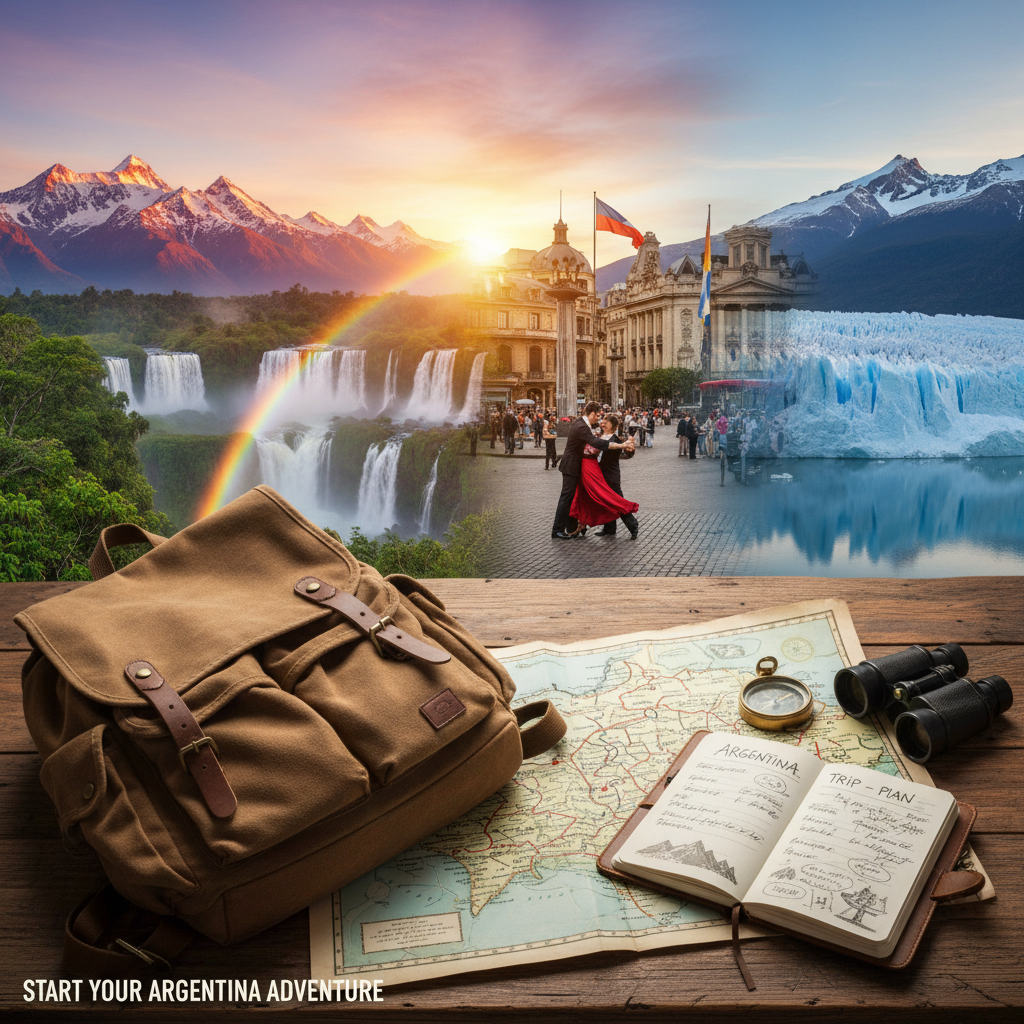
Embarking on a journey to Argentina is an unforgettable experience filled with stunning landscapes, vibrant cultures, and diverse activities. From the towering peaks of Patagonia to the sun-soaked vineyards of Mendoza, this South American gem offers a plethora of options for travelers. Whether you're an adventure seeker or a cultural enthusiast, this comprehensive guide will help you navigate the essentials of planning your first trip to Argentina.
Understanding Argentina
Argentina is the eighth-largest country in the world and boasts a variety of regions, climates, and cultures. Its geographical diversity includes everything from the arid plains of the Pampas to the lush rainforest surrounding the Iguazu Falls. This inherent variety is reflected in the country's rich culinary traditions, music, and customs. To make the most of your trip, it's important to understand the regional specifics that set Argentina apart.
Key Regions to Explore
Three iconic regions stand out for first-time travelers to Argentina: Patagonia, Mendoza, and Iguazu. Each of these areas offers unique experiences that cater to a wide range of interests.
Patagonia
One of the most awe-inspiring regions in Argentina is Patagonia, known for its dramatic landscapes, from jagged mountains to massive glaciers. The best time to visit for optimal hiking conditions is during the Southern Hemisphere's summer months, namely from November to March. This period also attracts tourists, meaning popular trails can get crowded.
This video provides stunning visuals of the breathtaking landscapes of Patagonia, highlighting must-see spots such as Los Glaciares National Park. Watching it will help you better understand the terrain and identify the best trails and experiences that match your backpacking aspirations.
As you plan your Patagonia adventure, consider incorporating a mix of guided tours and self-guided treks. Popular destinations include El Chaltén for its famous Fitz Roy mountain range, and Torres del Paine National Park, which offers challenging trails as well as more accessible routes for a variety of skill levels.
Mendoza
Mendoza is celebrated for its exceptional wine production and stunning vineyards nestled against the backdrop of the Andes mountains. The region boasts a semi-arid climate, making it ideal for grape cultivation. The best time to visit Mendoza is from March to May during the fall harvest season, when the landscapes are particularly picturesque.
In Mendoza, travelers can partake in vineyard tours, wine tastings, and enjoy local culinary delights during an asado (traditional barbecue). Taking a bike tour among the vineyards is a popular choice among tourists, offering a balance of adventure and relaxation as you savor Argentina's renowned Malbec wines.
As you watch this reel about Mendoza, you'll gain insights into the lush landscapes and warm hospitality that define the region, helping you select the perfect winery for your visit. Experience the flavors of Mendoza in a uniquely immersive way, learning directly from local winemakers about the rich traditions involved in producing their celebrated wines.
Iguazu Falls
The breathtaking Iguazu Falls, a UNESCO World Heritage Site, is another must-see destination in Argentina. Situated on the border between Argentina and Brazil, these magnificent waterfalls represent one of the largest and most iconic waterfall systems in the world. The best time to visit is during the rainy season from December to March, when the falls are at their most powerful.
The Argentine side of the falls provides various viewpoints and trails, allowing you to experience the majesty of this natural wonder up close. The Garganta del Diablo (Devil's Throat) is a highlight, where the falls drop dramatically, creating a thunderous roar. You can also explore the surrounding jungle and spot diverse wildlife.
This stunning video showcases the Iguazu Falls in all its glory, enhancing your understanding of its scale and beauty. You'll find helpful tips on navigating the area to make the most of your time here, ensuring you capture that perfect photograph of this magical spot.
Logistical Planning for Your Trip
Once you've identified your key destinations, it's time to delve into the logistics of your trip, keeping essential factors in mind.
Getting There
Argentina's international airport hub is located in Buenos Aires. From there, you can catch domestic flights to reach regions like Patagonia, Mendoza, or Iguazu. It's wise to book flights well in advance to secure the best rates. Make sure to check baggage policies as some airlines may have strict limitations when flying internally.
Visa and Entry Requirements
Most travelers will require a visa to enter Argentina, but many citizens from European and American countries can enter without one for tourist purposes for up to 90 days. Always check the latest regulations well in advance of your trip.
Transportation within Argentina
Getting around Argentina can be accomplished through various transportation modes, including buses, domestic flights, and rental cars. The bus network is extensive, with long-distance buses offering comfortable seats and amenities. For shorter distances, consider flying to save time. However, renting a car provides flexibility, especially in regions like Patagonia where public transport options might be limited.
Budgeting and Costs
Your budget will significantly dictate the style of travel throughout Argentina. Here are some key factors to consider:
Accommodation
- Hostels: Starting at around $10-15 per night, these are ideal for budget travelers.
- Mid-range Hotels: Typically range from $50-100 per night, offering comfortable amenities.
- Luxury Hotels: Expect to pay $150 and up for high-end experiences in prime locations.
Food and Drink
Food prices vary widely, from inexpensive street food for $5-10, to upscale dining that may cost $30-60 per meal. Trying local flavors and regional specialties—like asado and empanadas—will enhance your travel experience without breaking the bank.
Activities
Entry fees for national parks are generally inexpensive, ranging from $5-20, depending on the park. Tours and experiences (wine tastings, guided hikes, etc.) can add additional costs but are worth considering for enriching your understanding of the region.
Safety Tips
Argentina is generally safe for tourists, but it's wise to take standard precautions. Here are some key safety tips:
- Keep your belongings secure, especially in crowded areas.
- Be cautious when withdrawing cash from ATMs.
- Stay informed about local customs and areas to avoid at night.
Language and Communication
While Spanish is the official language, many Argentines, especially in tourist areas, speak English. Learning a few basic phrases in Spanish can enhance your interactions and experiences.
Best Time to Visit
The best time to visit Argentina varies by region. Patagonia is best explored in the summer, while Mendoza shines in fall. If you're aiming to see Iguazu Falls at their most powerful, the rainy season is ideal.
Conclusion
Argentina offers a wealth of experiences for every type of traveler. Whether you're hiking in Patagonia, sipping wine in Mendoza, or standing in awe of Iguazu Falls, this country promises adventure and discovery at every turn. With careful planning and a spirit of curiosity, you can create memories that will last a lifetime.
Plan Your Next Bucket-List Adventure
Want smarter planning tools, destination insights, and experience-driven guides?
Contact UsExplore more global destination guides, itineraries, and travel strategies:
Visit Our Blog