Understanding Responsible Travel in Antarctica
Antarctica is a place of extraordinary beauty and unmatched wilderness, yet its fragility demands responsible tourism practices that protect its environment and wildlife. Travelers venturing to this remote continent should embrace sustainability, respect wildlife protocols, and adhere to strict regulations aimed at preserving its pristine ecosystem.
From choosing the right tour operators to understanding the delicate balance of the local fauna, your visit should ignite not only wonder but also a commitment to environmental stewardship. Let’s explore essential guidelines for responsible travel that will enrich your journey and support conservation efforts.
This video provides an insightful overview of what travelers need to know about responsible travel in Antarctica, outlining best practices and ethical considerations. It highlights the impact of tourism on the region and offers tips for minimizing your footprint.
Choosing the Right Tour Operators
When selecting a tour operator for your Antarctic adventure, do your research to ensure they are committed to sustainable practices. Look for operators that are members of the International Association of Antarctica Tour Operators (IAATO), which sets strict guidelines to minimize environmental impact.
Tourists should inquire about the operator’s policies on wildlife encounters, waste management, and environmental education. Responsible companies strive to provide meaningful educational experiences that promote respect for the wildlife and the ecosystems.
Wildlife Encounters: A Respectful Approach
Encounters with wildlife in Antarctica are one of the most thrilling parts of the journey. However, it's crucial to maintain a respectful distance from animals. The Antarctic Treaty System outlines guidelines that tourists must follow to ensure that the wildlife is disturbed as little as possible.
Approaching wildlife slowly and quietly helps to avoid startling animals. Refraining from feeding them is vital, as human food can be detrimental to their health and behavior. Remember, keeping a safe distance protects both you and the wildlife.
Logistics of Visiting Antarctica
Planning your trip to Antarctica requires careful logistics involving travel dates, gear, and transit options. Most travelers visit during the Antarctic summer (November to March), when the weather is relatively mild and wildlife is active.
Travelers typically fly to Ushuaia, Argentina, the southernmost city in the world, and embark on a cruise ship for the journey through the Drake Passage. Pack wisely by including waterproof and insulated clothing, heavy boots, and binoculars for wildlife watching.
This video breaks down the must-have items for your trip, ensuring you're prepared for the extreme conditions in Antarctica. Gearing up appropriately can enhance your comfort and enjoyment of the experience.
Safety Considerations
Safety in Antarctica is paramount, given its remote location and harsh weather conditions. Travelers should adhere to the safety briefings offered by their tour operators and always be aware of changes in weather patterns.
A guided zodiac tour is an exciting way to experience the region, but it also requires attentiveness to safety practices. Always wear life jackets and stay alert for ice formations and other hazards.
Dining & Environmental Impact
Food waste and sustainable dining practices are key considerations when traveling in Antarctica. Choose operators that prioritize locally sourced, sustainable ingredients and minimize food waste as part of their environmental responsibility efforts.
Being mindful of your consumption habits can help reduce waste. Bring reusable containers and utensils to minimize for single-use plastics during your outings.
Wildlife Viewing Etiquette
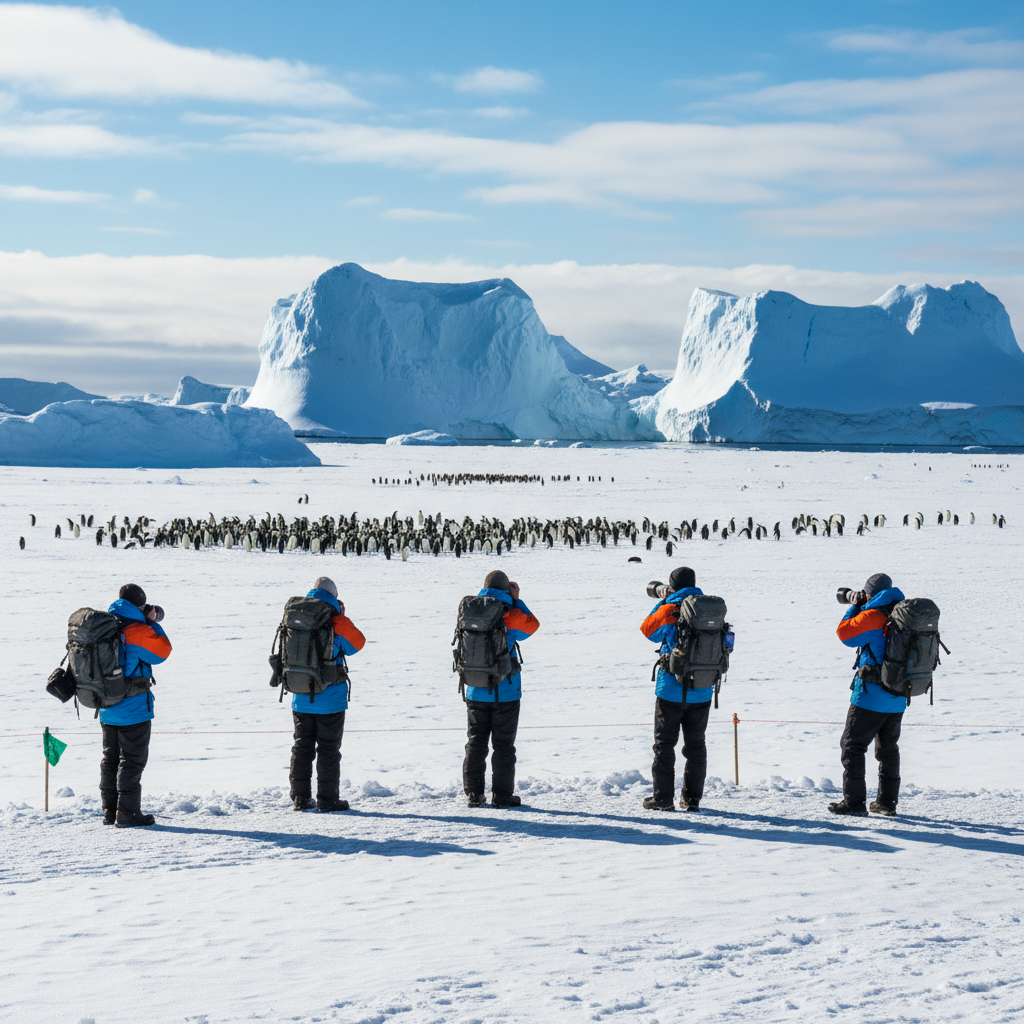
Maintaining a respectful distance while observing wildlife is essential. The general rule is to stay at least five meters away from seals and penguins, and 30 meters from any occupied nests. This ensures that your presence doesn’t stress the animals or disrupt their natural behavior.
Documenting your experiences with photos is encouraged, but avoid using flash photography, which can cause undue stress to wildlife.
This Instagram reel beautifully captures the wildlife and breathtaking landscapes of Antarctica, illustrating both the beauty of the region and the need for responsible tourism practices.
Environmental Considerations and Conservation Efforts
Antarctica’s environment is under threat from climate change and human activity. Participating in conservation efforts is a wonderful way to give back to the environment during your visit. Many tour companies offer educational programs that focus on the importance of conservation.
Be mindful of your carbon footprint by considering carbon offset programs when booking your travel. These programs allow travelers to offset their emissions by contributing to renewable energy projects and conservation initiatives.
Experience the Magic Responsibly
Your adventure to Antarctica is an opportunity to witness one of the last great wildernesses on Earth. By adopting responsible travel practices, you contribute to the preservation of this unique environment for future generations.
As you explore the magical landscapes, remember that your choices can have lasting effects on the wildlife and ecosystems. Aim to leave nothing but footprints behind—ethical travel starts with every individual.
Conclusion
Traveling to Antarctica can be a transformative experience that deepens your appreciation for our planet. By following the guidelines outlined here, you ensure your journey is not only memorable but also serves as a positive contribution to conservation efforts.
Your time in Antarctica is more than a ticking off a bucket list; it's a chance to engage with the environment meaningfully and responsibly. Together, we can enjoy the stunning splendor of Antarctica while safeguarding it for the future.
Plan Your Next Bucket-List Adventure
Want smarter planning tools, destination insights, and experience-driven guides?
Contact UsExplore more global destination guides, itineraries, and travel strategies:
Visit Our Blog