Introduction to Montenegro
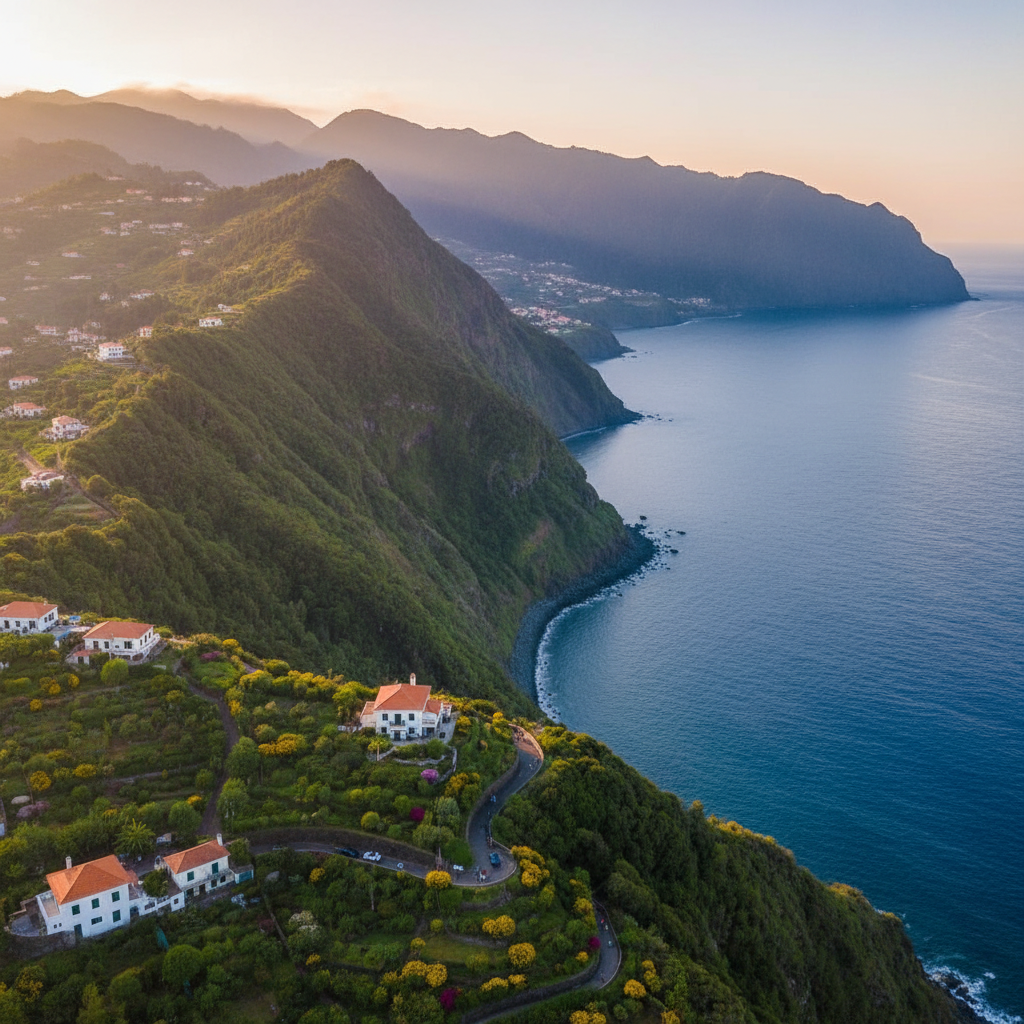
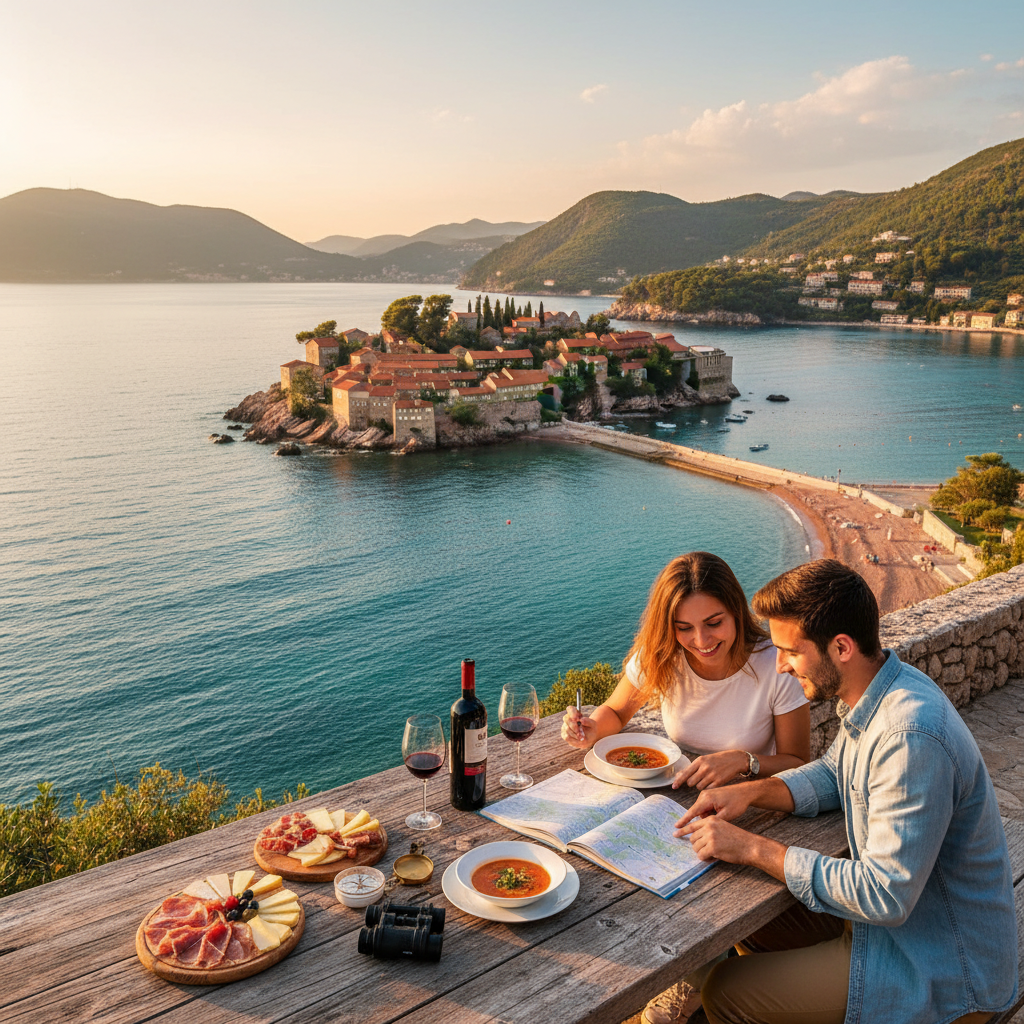
Montenegro, a jewel of the Balkans, beckons travelers with its stunning landscapes, rich history, and vibrant culture. From the picturesque streets of Kotor to the stunning beaches of Budva, this small country offers diverse experiences that make it a perfect destination for adventure seekers and leisure travelers alike. This guide will equip you with the essential information you need to plan a memorable trip to Montenegro.
Best Time to Visit Montenegro
Montenegro's climate varies by region, but the coastal areas generally enjoy a Mediterranean climate with hot, dry summers and mild, rainy winters. The best time to visit is from late spring to early autumn (May to September) when the weather is pleasant, and most tourist activities are in full swing. June and September provide an excellent mix of warm weather without the crowds, making them ideal for exploring and enjoying the local culture.
This video guide offers insights into travel tips, stunning visuals, and experiences that highlight Montenegro's appeal. From UNESCO World Heritage sites to breathtaking national parks, this clip will inspire you to explore the beauty of this hidden gem and assist in planning your itinerary effectively.
Getting There and Around
Most international travelers arrive via Podgorica International Airport (TGD) or Tivat Airport (TIV), the two main airports in Montenegro. From these airports, rental cars, buses, and taxis are readily available to help you reach your desired destination. Having a car is particularly advantageous as it allows for greater flexibility in exploring Montenegro’s diverse regions.
Road conditions are generally good, although be prepared for winding mountain roads in some areas. Renting a car is highly recommended for a more authentic experience, enabling you to visit remote places like Durmitor National Park and the pristine coastal villages. Public transportation is also available, but it is less frequent and may not reach more remote areas.
Exploring the Major Destinations
Kotor: A Historical Gem
Kotor, located on the Adriatic coast, is famed for its well-preserved medieval architecture and stunning fjord-like bay. The city's old town is a UNESCO World Heritage site that melds history with vibrant modern life. Walking through its cobbled streets, visitors can explore churches, museums, and charming squares.
This reel showcases the enchanting aspects of Kotor, including its picturesque viewpoints and lively atmosphere. Through this video, you’ll gain insight into what makes Kotor a must-visit destination while gathering ideas for your own adventure in this historic city.
Budva: Sun, Sand, and Nightlife
Budva is known for its beautiful beaches, vibrant nightlife, and historic old town. The beaches are stunning, and you can choose from lively spots with beach clubs to more serene areas perfect for relaxation. Don't miss the chance to visit the Citadel, an impressive fortress with sweeping views of the Adriatic.
The summer nightlife here is legendary, with numerous clubs and bars hosting famous DJs. However, if you prefer a quieter experience, consider visiting during the shoulder seasons of late spring or early fall when you can enjoy the beautiful beaches without the crowds.
This engaging video captures the essence of Budva’s beach culture and nightlife scene. Watching it will give you a taste of what to expect, helping you decide when to visit based on your preferred pace of exploration.
Durmitor National Park: Nature's Playground
For nature lovers, Durmitor National Park offers rugged mountains, deep canyons, and glacial lakes. It’s perfect for hiking, biking, or simply enjoying the breathtaking scenery. The park is also home to the Tara River canyon, one of the deepest canyons in the world and a haven for white-water rafting enthusiasts.
Summer offers the ideal conditions for outdoor activities; however, winter transforms the park into a skiing paradise. If you're planning a visit during winter, be sure to check the snow conditions before your arrival.
Costs and Budgeting for Your Trip
Traveling to Montenegro is relatively affordable compared to other European destinations. Accommodation costs can range from budget hostels to luxury hotels, so travelers have various options depending on their preferences. A traveler can expect to spend around €50-100 per day, including food, accommodation, and activities.
Dining out is also reasonably priced, especially if you seek local Montenegrin cuisine. Make sure to try some seafood along the coast and hearty meats in the inland regions. To save money, consider eating at local restaurants rather than tourist traps.